
Welcome! You’ve arrived at the only little spot on the internet devoted solely to those who study historical fencing in New Haven, CT, USA.
Yes, we play with swords – and you can, too!

Historical fencing is pretty much the only activity in the world that allows you to get fit, study late medieval manuscripts and stab your friends all at the same time. So if that sounds like something you’d enjoy, why not give it a try?

We welcome anyone who is willing to be welcoming to others, regardless of class, gender, race, sexuality, physical capabilities, and so on. Beginners and experienced fencers both welcome!
Some questions people often ask

Are the swords real?
Yes, we train and spar with real steel swords.
Are you insane?!? How is that safe?
Medieval people faced the same problem we do: how to train with real steel swords, without hurting your training partners. One of their solutions was to produce special training swords, still made of steel, but blunt along the edge, and also a little flexible at the tip so as to allow for safe thrusting. You can still find many examples of these steel training swords in museums all around the world. (For instance, there are some lovely surviving examples in the Metropolitan Museum in New York)
When we spar, we use those swords, as well as modern protective gear. We also use sharp steel swords for solo practice, and to practice cutting targets. Many of our beginners also use wooden swords, mostly just because they’re the cheapest way to get started.
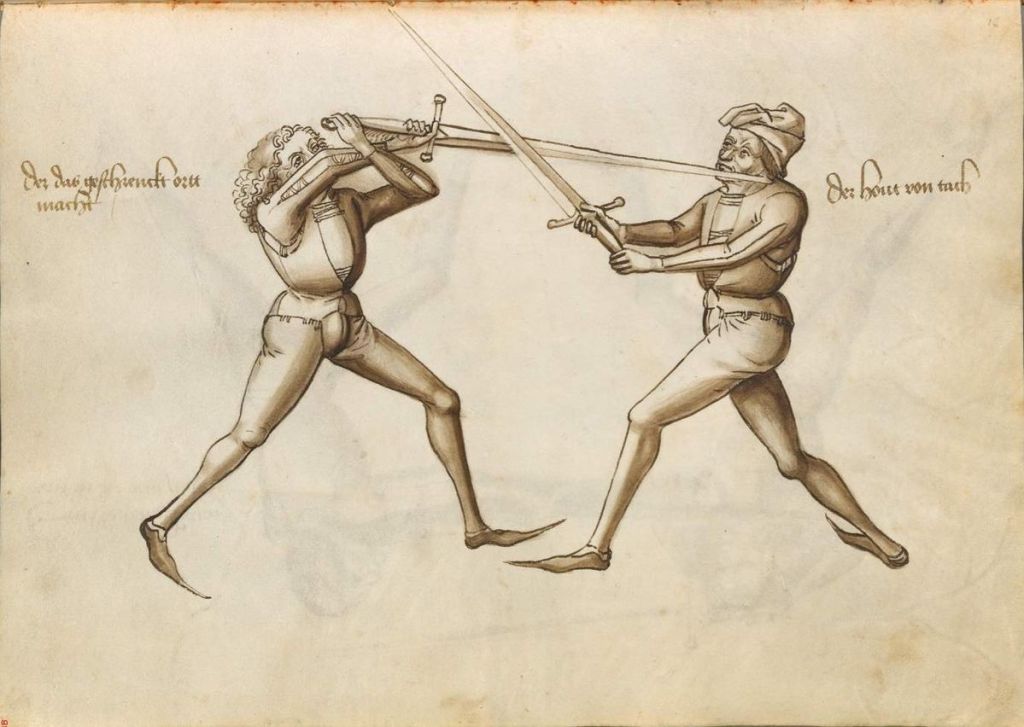
How do you know this is the way medieval people really fought?
We work directly from surviving historical fencing manuals, generally from the 14th-16th centuries. Those manuals were once used to teach the art of fencing in earnest, when it was a living thing. Now we’re learning from them once again. We describe our historical sources (in a fun and engaging way!) here.
Do you dress up?
No, we don’t dress up in medieval outfits (not that there’s anything wrong with that!) Instead, we use the best modern safety equipment. Our aim is to practice the historical art of swordfighting, not to recreate the look.
Ok, I’m very interested. Where can I learn more?

If you want to get a better sense of the kind of thing that Historical Fencers do, take a look at this New York Times video on the subject. For a more local take, you might read this piece in New Haven’s own Daily Nutmeg.
After that, contact us, and come to a class! You’ll be very welcome, whether you’re an experienced martial artist or a complete newcomer.
(To get in touch with us, send an email to newhavenhistoricalfencing@gmail.com, or use the CONTACT link on the top right, or join the New Haven Historical Fencing Facebook group. Newcomers welcome!)
Oh, and I see your club logo includes a Latin motto. What does it mean?
Roughly translated, our club’s impressive Latin motto ‘Comites Para, Comites Perfora‘ means ‘Make Friends and Stab Them.’ We believe this sufficiently expresses the seriousness with which we take our historical fencing.
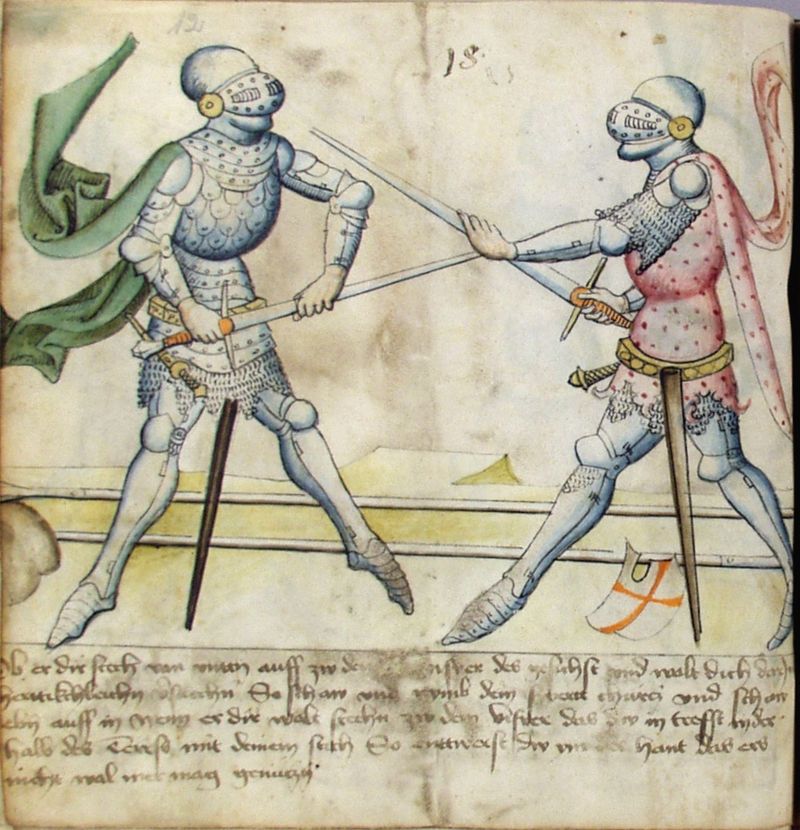 The New Haven Gladiatoria
If you live near New Haven, you might also want to read a bit about our resident late-medieval martial arts manual, the New Haven Gladiatoria. It’s world famous, and it’s right in our backyard.

 Other Historical Fencing in the Area
If you’re interested in historical fencing, and you live in Connecticut, you should definitely take the time to check out all the groups who practice Historical European Martial Arts within about 90 minutes drive of New Haven.
In fact, if you’re willing to drive a lot, you can swordfight pretty much all week!
Here’s a quick rundown of the other great HEMA clubs in CT:

Per La Vita Academy of Western Martial Arts
Per La Vita (or PLVA) is a Fiore-focused club exploring all dimensions of the medieval combative arts, and run great weekly classes in Milford, CT on Thursdays at 6:30pm and on Sunday afternoons (with both beginner and advanced classes on Sundays). They also run various events such as All Feint’s Day (a wonderful get-together full of sparring, classes, and fun) and more throughout the year, sign up for their events email list here! https://www.perlavitaacademy.org/events/events-email-list

Western Swordsmanship Technique and Research.
WSTR runs an excellent weekly class in Willimantic, CT on Wednesday nights (Beginners 6:30-7:30pm, advanced 7:30-9:00pm). The beginner’s class is on a 6 week cycle, switching between German longsword and British military saber. Make sure you check in about classes here: (https://www.wstr.info/schedule/). Excitingly, WSTR runs an annual tournament called Frogfecht, focusing on highly competitive longsword fencing (something they excel at) as well as other weapons such as rapier. It’s well worth attending.

Laurel City Historical Fencing (LCHF) is dedicated to the study and practice of medieval martial arts, focusing on the early fencing traditions of Johannes Liechtenauer. Classes are held in Winsted, with a Tuesday evening beginner session followed by open floor sparring and drills, and Friday sessions offering both beginner and advanced instruction. LCHF also offers a Squires program on Fridays for youth, introducing young students to the fundamentals of historical swordsmanship in a safe, engaging environment.

Thames River Historical Fencing
Thames River Historical Fencing runs a great group in Ledyard, CT. The class runs Tuesdays and Thursdays 6:30-8:30. Contact them to drop in on Tuesdays or a trial class on Thursdays. Thamesriverhistoricalfencing@gmail.com
 If You Live Somewhere Else…
If you’re looking for a Historical European Martial Arts club somewhere else in the world, then take a look at the HEMA Alliance Club Finder.
Further Browsing
Here are a few select links for anyone considering the study of historical fencing:
 Wiktenauer, the largest online repository of medieval fencing manuals.
 Hroarr, an online magazine for historical European martial arts.
 The popular Youtube channel of long-time HEMA instructor Matt Easton.
Esfinges, the first international network for women in HEMA.
Ritterkunst, the website of prominent HEMA practitioner Jessica Finley.
The Youtube channel of highly-regarded HEMA instructor Martin Fabian. 
 Women of HEMA, a good source of interviews and tournament coverage
 The Youtube channel of highly-respected HEMA instructor Anton Kohutovič.
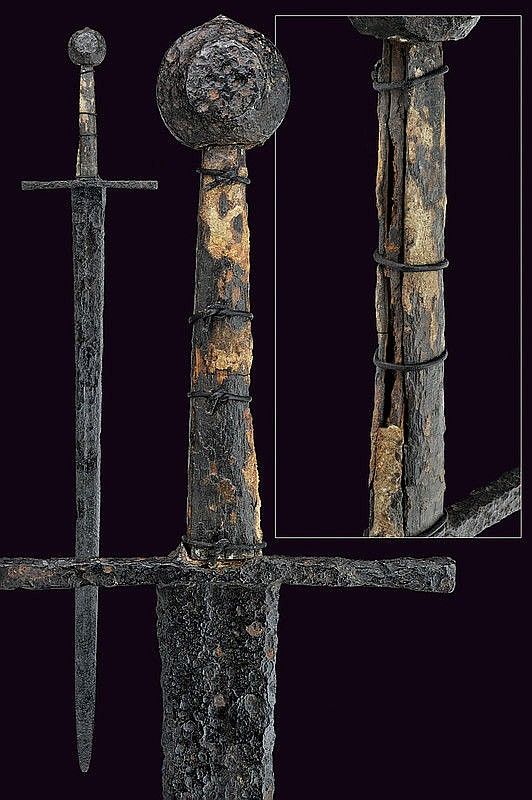
 New Haven Historical Fencing